
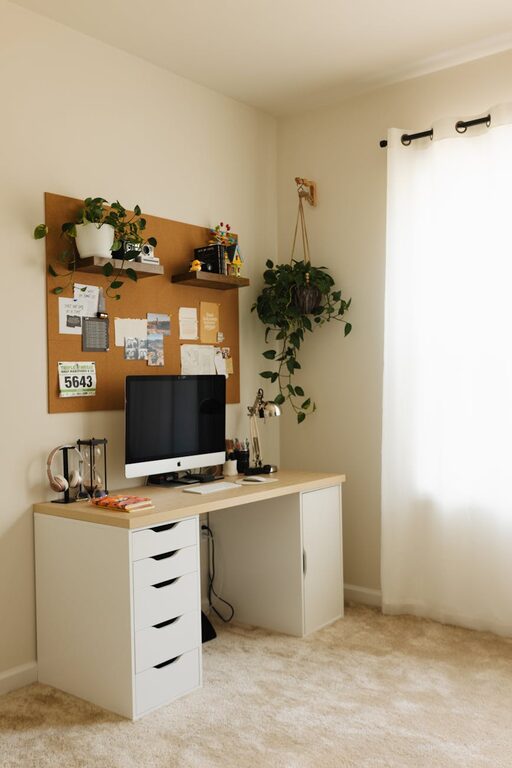
Creating a home office that is both cozy and productive is key to maintaining focus and comfort throughout your workday. Whether you work remotely full-time, occasionally, or run a side project, having a dedicated area that inspires efficiency and relaxation can make a big difference. Here are some helpful tips to design a home office that balances warmth and work effectiveness.
Choose the Right Location
Finding the ideal spot in your home to set up your office is the first step. Consider the following:
– Natural Light: Aim for a space near a window to take advantage of natural light. Sunlight helps improve mood and reduce eye strain.
– Quiet Environment: Select a room or corner away from household noise, such as living rooms or kitchens, where distractions tend to be higher.
– Space Availability: Make sure there is enough room for your desk, chair, and any additional storage or equipment you need without feeling cramped.
Invest in Comfortable and Ergonomic Furniture
Your furniture plays a vital role in comfort and productivity.
– Ergonomic Chair: Choose a chair that supports your back well and adjusts to your height and posture needs. Sitting comfortably reduces fatigue and promotes focus.
– Desk Space: Pick a desk with enough surface area for your computer, notebooks, and other essentials. Adjustable desks that can shift from sitting to standing positions add variety to your workday.
– Organized Storage: Use shelves, drawers, or filing cabinets to keep your supplies tidy and easy to reach. Clutter-free spaces help maintain concentration.
Incorporate Soothing Colors and Personal Touches
Colors influence mood and productivity.
– Color Palette: Soft, neutral colors like beige, light gray, or pastels create a calming atmosphere. Energizing colors like blue or green have also been shown to boost creativity.
– Personal Items: Add photos, plants, or artwork that make the space feel welcoming. These touches can increase motivation and enjoyment.
Optimize Lighting
Proper lighting reduces eye strain and boosts alertness.
– Layered Lighting: Combine natural light with ambient lighting like ceiling fixtures and task lighting such as desk lamps to control brightness levels.
– Avoid Glare: Position screens to minimize glare from windows or lamps. Anti-glare screen protectors are also helpful.
Keep Technology Organized and Efficient
Technology is central to most home offices, but it should be tidy and reliable.
– Cable Management: Use clips, ties, or cable boxes to keep cords organized and off the floor.
– Functional Equipment: Ensure your computer, printer, and other devices are in good working order to prevent interruptions.
– Reliable Internet: A strong internet connection is essential for video calls, downloads, and cloud-based work.
Maintain a Clean and Clutter-Free Space
A neat environment promotes productivity.
– Daily Tidying: Take a few minutes at the end of each day to clear your desk and put away items.
– Regular Deep Cleaning: Dust surfaces and vacuum floors regularly to keep your space fresh.
– Limit Distractions: Remove non-work-related gadgets or clutter that may divert your attention.
Incorporate Elements That Reduce Stress
Making your workspace cozy can also reduce stress and increase well-being.
– Plants: Indoor plants not only enhance aesthetics but improve air quality and have a calming effect.
– Aromatherapy: Light scented candles or use essential oil diffusers with scents like lavender or eucalyptus for relaxation.
– Comfort Items: Keep a soft throw blanket or cushion nearby for extra comfort during breaks.
Set Boundaries and Define Purpose
Making clear distinctions between work and leisure areas helps maintain work-life balance.
– Dedicated Zone: Avoid using your workspace for non-work activities such as dining or watching TV.
– Work Hours: Define regular work hours and communicate them to others if you live with family or roommates.
– Break Areas: Set up a cozy spot separate from your desk to relax during breaks, encouraging you to step away and recharge.
—
Creating a home office that supports both comfort and productivity is achievable with thoughtful planning and attention to your personal needs. By choosing the right location, investing in ergonomic furniture, and maintaining a clutter-free environment, you can build a workspace that helps you stay focused while feeling at ease. Personal touches and stress-relief elements make this space uniquely yours, turning your home office into a place where work feels enjoyable and effective.
Related Posts

Tips for Creating a Productive Home Office Environment
Creating a productive home office environment is essential for anyone…
Tips for Creating a Cozy and Productive Home Workspace
Working from home offers incredible flexibility, but it can also…

Tips for Creating a Cozy and Inviting Home Environment
Creating a cozy and inviting home environment is a wonderful…