
Creating a home office that strikes the perfect balance between comfort and functionality can greatly enhance your productivity and overall well-being. Whether you’re working remotely, running a home business, or simply need a quiet place to focus, a well-designed office space can make a big difference. In this post, we’ll explore practical tips to help you create a cozy and efficient home office environment.
Why a Cozy and Functional Home Office Matters
A home office should invite you to work without distractions while offering enough comfort to keep you motivated. When your workspace is both inviting and practical, you’re more likely to stick to your schedule, reduce stress, and maintain a good workflow. Here’s how to design one that works for you.
Choose the Right Location
Consider Natural Light
Placing your desk near a window can boost your mood and improve focus. Natural light helps keep you alert and reduces eye strain. If natural light is limited, invest in good quality artificial lighting that mimics daylight.
Find a Quiet Corner
Select a space with minimal distractions to support concentration. If that isn’t possible, noise-cancelling headphones or soundproofing elements like rugs and curtains can help reduce background noise.
Invest in Comfortable and Functional Furniture
Ergonomic Chair
Comfortable seating is essential for long hours at your desk. Choose an ergonomic chair that supports your back and encourages good posture.
Desk Size and Shape
Select a desk that fits your space and work style. Consider a height-adjustable desk if you want the flexibility to stand and sit during your workday.
Storage Solutions
Keep your workspace tidy with storage options like shelves, drawers, or filing cabinets. Clutter-free desks promote efficiency and reduce stress.
Personalize Your Space
Calming Colors
Choose soothing colors like soft blues, greens, or neutrals to create a relaxing ambiance. Avoid overly bright or distracting hues.
Decor with Purpose
Incorporate elements that inspire you, such as plants, artwork, or photos. Live plants can improve air quality and add a touch of nature to your office.
Textiles and Comfort
Add cushions, rugs, or curtains to introduce texture and warmth. Soft fabrics can make the space feel cozy and inviting.
Organize Your Workflow
Cable Management
Keep cords and cables out of sight using clips, sleeves, or under-desk trays. A clean workspace looks better and helps prevent accidents.
Essential Tools Within Reach
Arrange your most-used supplies, like pens, notebooks, or your planner, within easy reach to minimize interruptions.
Digital Organization
Use apps or tools to keep your digital files and tasks well organized. An efficient system helps you stay on top of deadlines and projects.
Optimize Lighting for Work and Comfort
Layered Lighting
Combine task lighting (desk lamps) with ambient lighting (overhead or floor lamps) to reduce eye strain and create a warm atmosphere.
Adjustable Brightness
Use adjustable light sources so you can tailor the brightness to your needs throughout the day, especially if you alternate between reading and screen work.
Incorporate Healthy Habits
Take Breaks and Move
Arrange your space to encourage movement—such as a spot for stretching or short walks. This helps reduce fatigue and keeps you refreshed.
Hydration Station
Keep a water bottle or a dispenser nearby to remind yourself to stay hydrated throughout your workday.
Monitor Placement
Position your computer monitor at eye level and about an arm’s length away to avoid neck and eye strain.
Keep It Flexible and Adaptable
Sometimes your needs change depending on the projects you’re working on or your mood. Keep your home office layout flexible by having modular furniture or movable storage units. This allows you to reconfigure your space quickly for different tasks.
Conclusion
Designing a cozy and functional home office is about creating a space where you feel comfortable, focused, and inspired. By choosing the right location, investing in suitable furniture, personalizing your environment, organizing your workflow, and incorporating good lighting and healthy habits, you can build an office that supports your productivity and well-being. Take time to assess what works best for you, and enjoy the benefits of a thoughtfully designed workspace.
With these tips, your home office can become your favorite room to work, stay focused, and feel good all day long. Happy decorating!
Related Posts
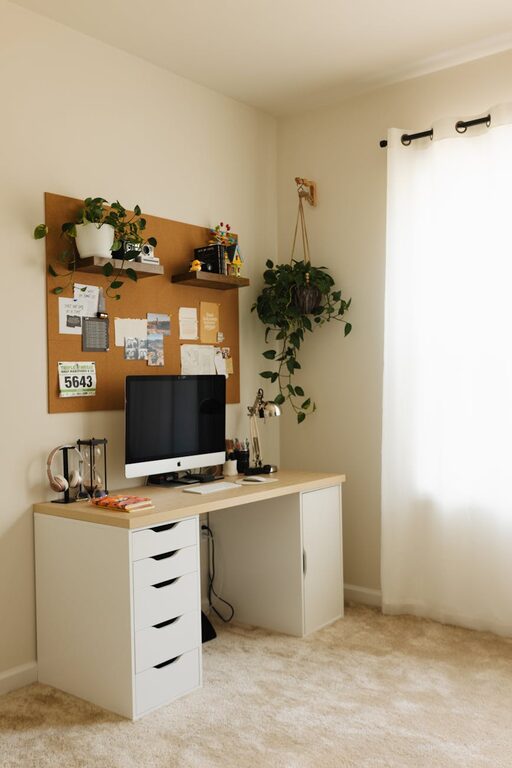
Tips for Creating a Cozy and Productive Home Workspace
Working from home offers incredible flexibility, but it can also…
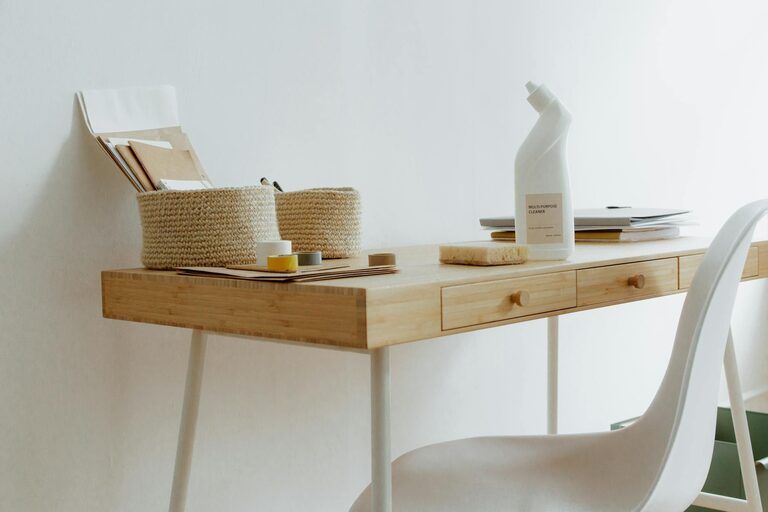
Tips for Organizing a Clutter-Free Home Office Workspace
Creating a clutter-free home office workspace can significantly improve your…
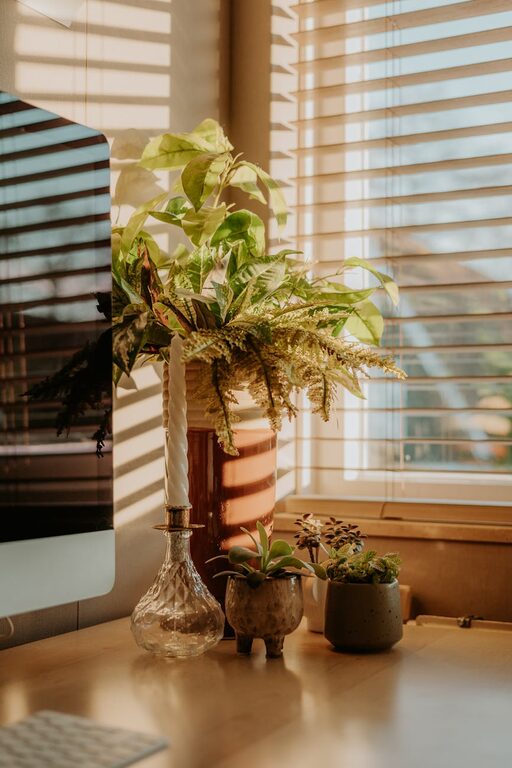
Tips for Creating a Relaxing Home Office Environment
Creating a relaxing home office environment is essential for maintaining…